d'Eglantier
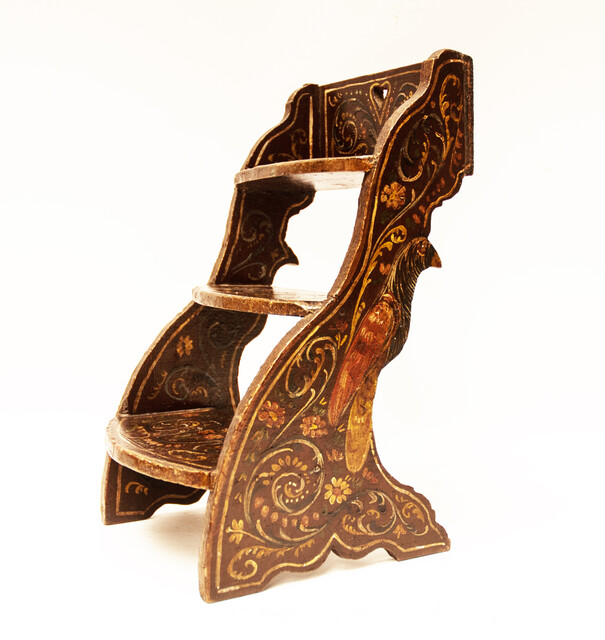
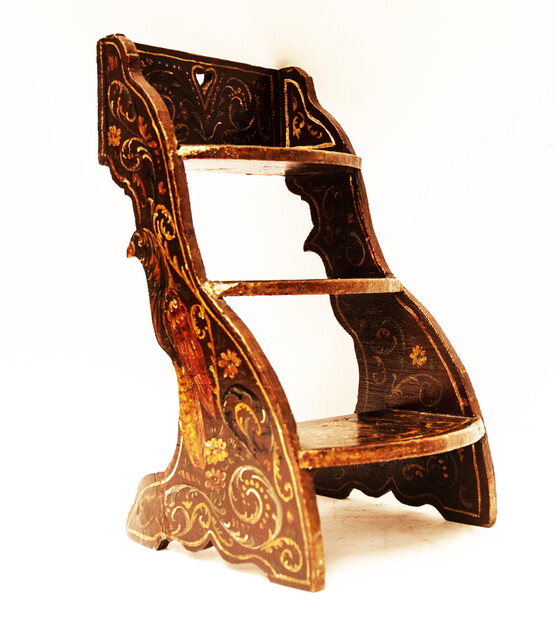
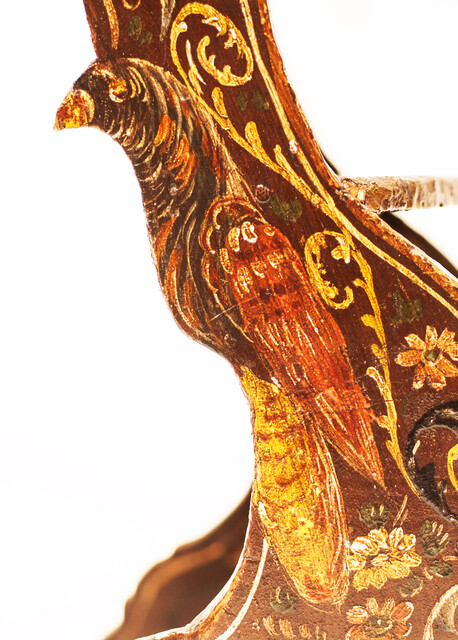
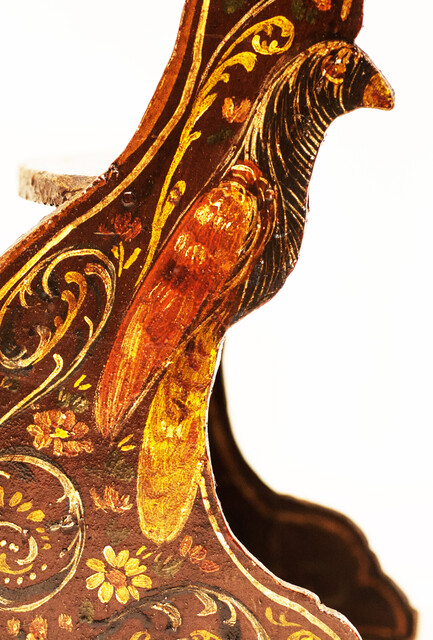
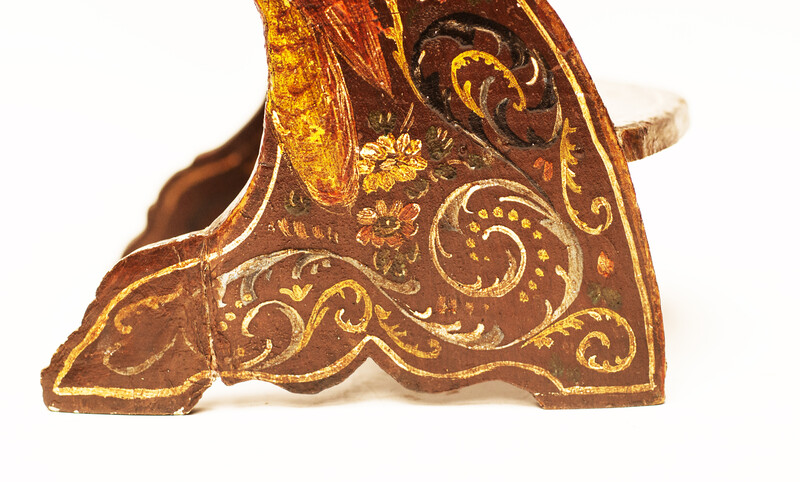
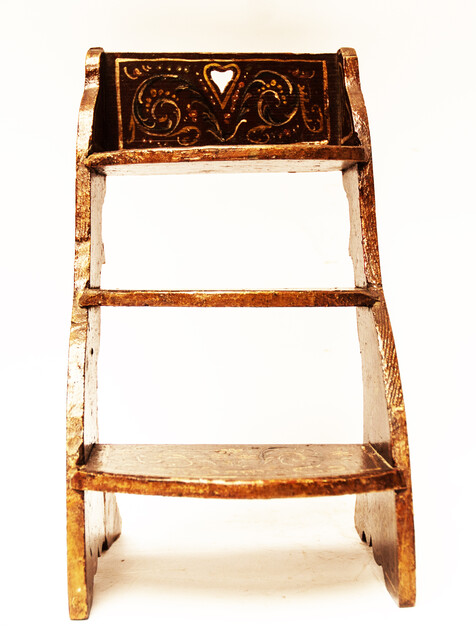
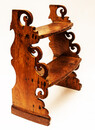
  • An eighteenth century Hindeloopen miniature bed step with parrots on the sides.
  • An eighteenth century Hindeloopen miniature bed step with parrots on the sides.
  • An eighteenth century Hindeloopen miniature bed step with parrots on the sides.
  • An eighteenth century Hindeloopen miniature bed step with parrots on the sides.
  • An eighteenth century Hindeloopen miniature bed step with parrots on the sides.
  • An eighteenth century Hindeloopen miniature bed step with parrots on the sides.
  • An eighteenth century Hindeloopen miniature bed step with parrots on the sides.
  • An eighteenth century Hindeloopen miniature bed step with parrots on the sides.
  • An eighteenth century Hindeloopen miniature bed step with parrots on the sides.
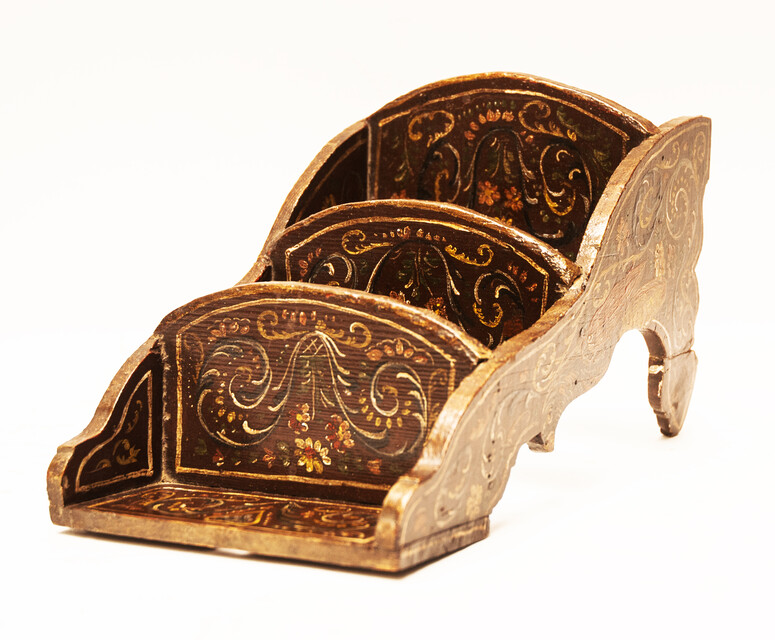
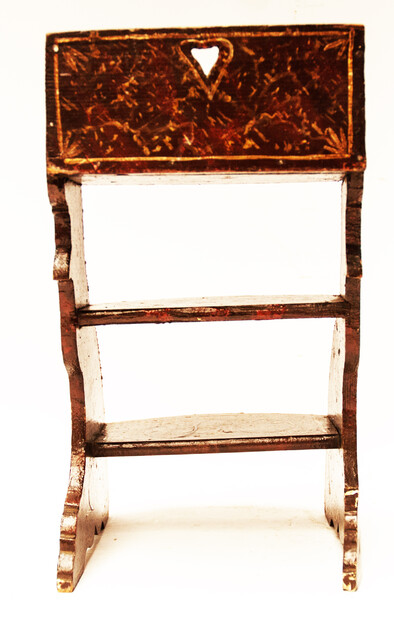
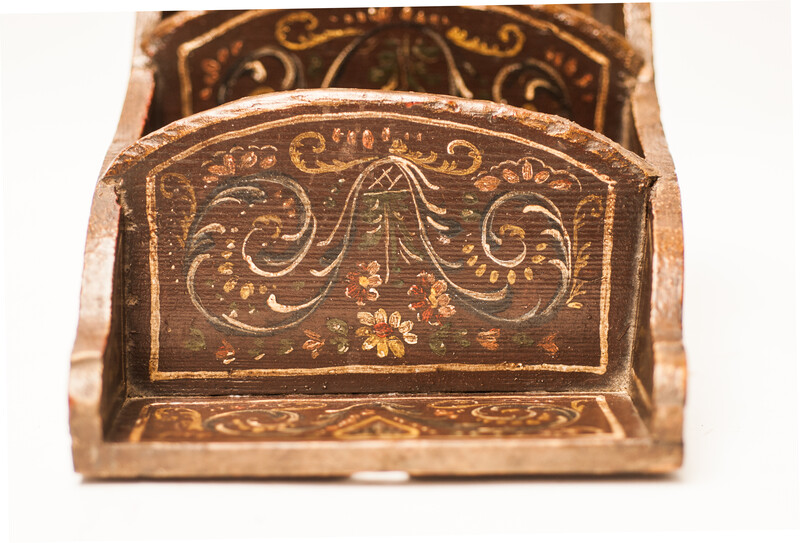
An eighteenth century Hindeloopen miniature bed step with parrots on the sides.

375 €


A miniature bed step. High 27 cm. Wide 15,5 cm. Deep 15 cm. Entirely painted in the Hindeloopen style. With on both sides a very delicately painted parrot. Furthermore many flowers and typical Hindelooper "guirlandes". In mint condition with an old repair to the foot on the left. Made in Hindeloopen around 1750.  Miniature Hindeloopen furniture of this quality and age is extremely rare.  

Request for more information
See more items of this dealer
Print
d'Eglantier
Address:
Egelantiersgracht 93 ,
1015 RE Amsterdam
Country: The-Netherlands
Tel.: +31 (0)20 6262061
E-mail: info@deglantier.com
Website: www.deglantier.com
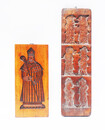
A seventeeth century oak Dutch bedstairs from a renowned collection.

A seventeeth century oak Dutch bedstairs from a renowned collection.


A bedstairs. High 61 cm. Wide 52 cm. Deep 26 cm. Oakwood. Two steps. On the back traces of green paint. From the collection a well known antique dealer in Amsterdam. In good general condition with several minor repairs and restorations. Holland around 1700.


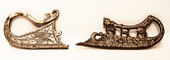
An early eighteenth century folding scissors with a blacksmiths touch mark.

An early eighteenth century folding scissors with a blacksmiths touch mark.


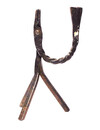
A pair of scissors. Length 13,5 cm. A cleverly designed folding scissors. With elegant decorations on both sides and a clear blacksmiths touch mark. Most likely Dutch and very unusual in shape. Mint condition. Dating back to around 1700.
 

A French sheet with nine different brushes.

A French sheet with nine different brushes.


Nine brushes on a chart. Size of chart 20 x 30 cm. Text: "Fabrication Brosses Française Hellecé" Brushes with bone, wooden and bakelite handles, in size varying from 8 to 16 cm. All in good but used condition.
 

A rare glass wine sampler, overall length 80 cm.

A rare glass wine sampler, overall length 80 cm.


A wine sampler. Overall length 80 cm. Made in two parts. The upper part 20 cm. Maximal diameter 15 cm. Made in France this eighteenth century glass wine tester was inserted into the wine barrel and by occluding the opening a sample was taken and collected in the upper part. From which one could taste the wine. In this way the process of riping of the wine could be followed. Mint condition.
 

A Dutch boxwood lidded tinderbox with fire iron.

A Dutch boxwood lidded tinderbox with fire iron.


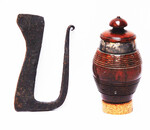
A tinderbox with firing iron. Size of tinderbox: high 5 cm. Diameter 5,5 cm. Size of iron: 9,5 cm. The box of well coloured boxwood with original fitted lid. Inside a small metal fixator. Both box and iron in good condition. Holland around 1800.
 

A brass tinderbox with flint and steel Dutch eighteenth century.

A brass tinderbox with flint and steel Dutch eighteenth century.


A tinderbox complete with steel and flint. High 8 cm. Diameter 4,5 cm. The box divided by a steel sheet into two compartments, one for tinder and the other for a firestone. The outside  nicely decorated with mythological birds, flowers and fruit. With a double set of hinges secured with silver solder. In good general condition with obvious signs of frequent use. Inside a sheet of paper with on both sides a description in Dutch. Holland, eighteenth century.
 

An attractive boxwood dice box with 5 dices.

An attractive boxwood dice box with 5 dices.


A dice box with 5 dices. High 8 cm. Diameter 3,5 cm. Well figured boxwood. Mint condition. Low Countries early nineteenth century.
 

An extensively carved Dutch wooden ellrule with a brass stop.

An extensively carved Dutch wooden ellrule with a brass stop.


A wooden ellrule. Length 90 cm. On all four sides decorated with woodcarving. On one side a brass stopper. In mint condition. Probably made and used in one of our northern provinces.
 

An early seventeenth century

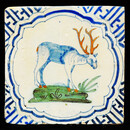
An early seventeenth century "life saving" skating hook stick and a tile showing its use.


A skating stick and a Delft blue tile. Length of the stick 170 cm. Size of the tile 13 x 13 cm. Thickness 12 mm. This type of stick was meant as a "life saver". In scarcely populated areas one could not rely on a helping hand. Hence the sturdy steel hook for the "do it your selver". The tile from the same period shows a skater with an identical stick. Both date back to the first quarter of the seventeenth century.

A nineteenth century Dutch wooden decoy duck with lead weights.

A nineteenth century Dutch wooden decoy duck with lead weights.


A decoy duck. Long 37 cm. Wide 19 cm. High 23 cm. Painted wood. With two stabilising lead weights. Entirely original condition. With signs of use, otherwise in good condition.
 

An eighteenth century Dutch wine bottle  from a shipwreck in a tropical sea.

An eighteenth century Dutch wine bottle from a shipwreck in a tropical sea.


A bottle. High 21 cm. Maximal diameter 15 cm. Weight 735 gram. Found in a wreck of a Dutch ship travelling to a Dutch colony in the East Indies. With stunning gold patina caused by the influence of the tropical sea. In mint condition.
 

A very rare

A very rare "Spelerijers" box from Walcheren in Zeeland with six original numbered glasses.


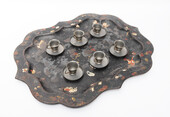
A travelling drinking box. Long 16 cm. Wide 11 cm. High 6,5 cm. The metal and green painted box contains six original numbered glasses. The box and the glasses in good condition with signs of use. On sunny sunday afternoons people from Walcheren in Zeeland used to travel the island with a horse driven wagon. On the way they became thirsty, hence the box. Not only were few of them made, survival of one is exceptional. Each member of the participants had his own individual numbered glass.